
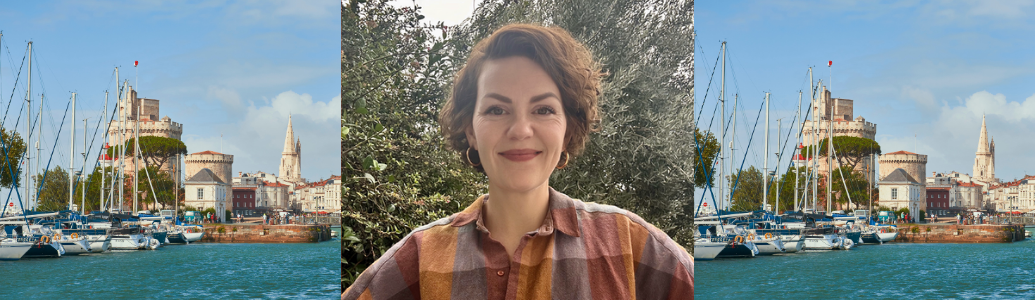
As Launch Manager at Solinum, Florie Kerfriden is working on deploying Soliguide in Charente-Maritime. From listing organizations and mobilizing local stakeholders to addressing challenges of service access in rural areas, she discusses the challenges and dynamics of a diverse region.
My name is Florie Kerfriden and I am the Soliguide Launch Manager in Charente-Maritime for the Solinum association.
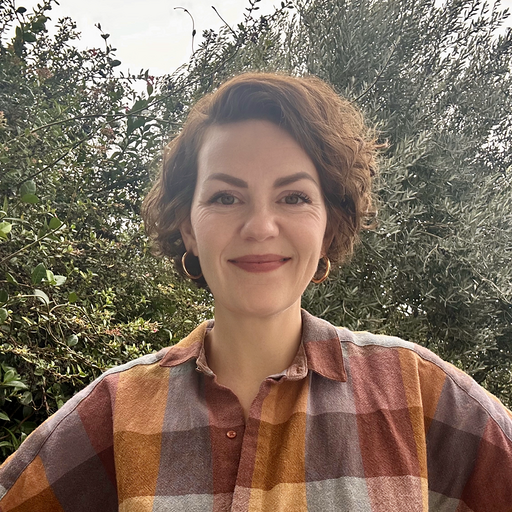
My mission is to deploy the platform in the region, by identifying and listing the organizations that offer services useful to people in precarious situations : food aid, access to healthcare, social support, access to rights, and mobility solutions, which are particularly important in a rather extensive region like Charente-Maritime.
This work is done in close collaboration with local stakeholders — associations, local authorities, institutions, social centers — to verify information and build a reliable, yet also as comprehensive as possible, tool. The goal is for everyone to be able to find the service they truly need, which can sometimes be very specific.
There are currently 446 organizations in Charente-Maritime, representing over 2,000 services. The listing effort continues to further improve coverage of the area.
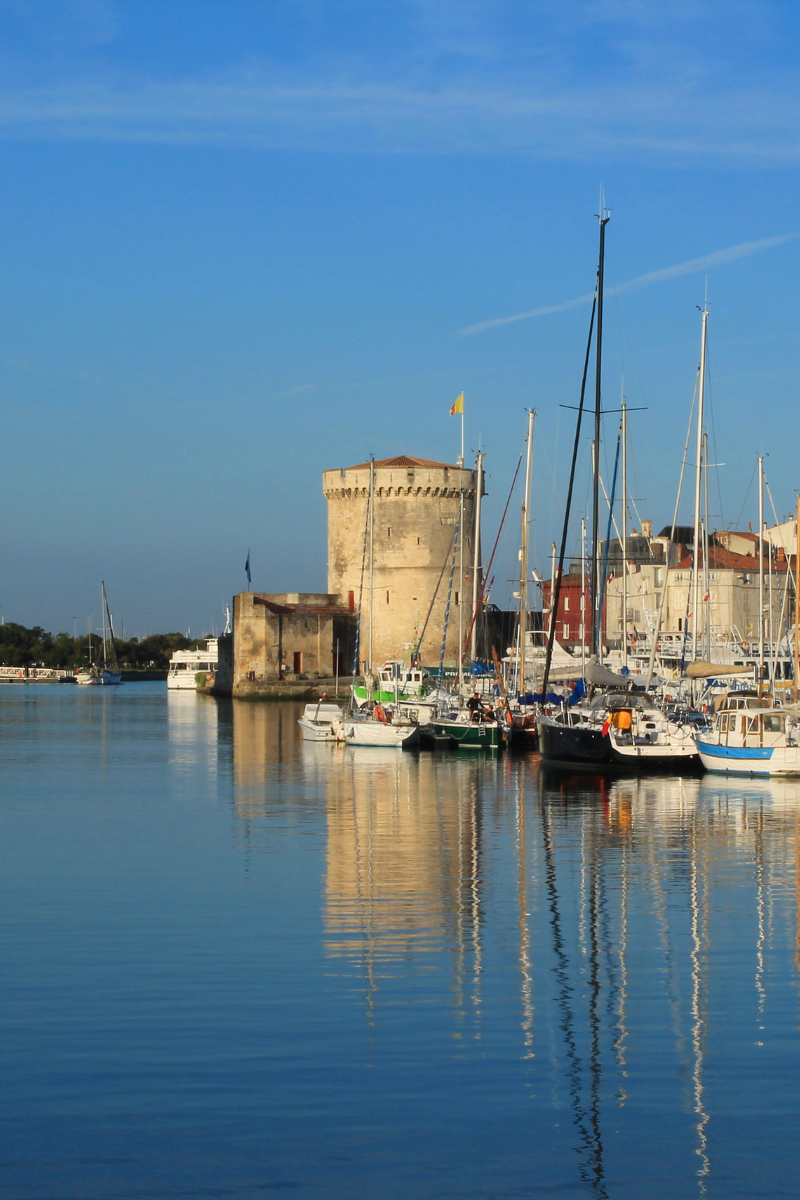
Charente-Maritime is a rather diverse region, with dynamic cities like La Rochelle, Saintes, and the coast... but also many rural areas where access to services can be more challenging, such as in the Vals de Saintonge.
In some areas, organizations exist but sometimes lack visibility for people who could benefit from them, especially when issues of mobility or isolation come into play.
In this context, the challenge is often to make information more accessible and clearer, both for residents and for support professionals who guide the public.
The needs identified in the region are quite varied : access to food, administrative and social support, access to healthcare, professional integration, and French language learning for some newcomers.
Charente-Maritime has a very active network of associations addressing these issues, with many organizations involved in supporting the public, but they can remain difficult to identify if you don't know exactly where to look.
Soliguide contributes to this visibility by gathering this information in one place, which can be useful for both the individuals concerned and the professionals who support them.
Currently, my work is heavily focused on referencing and structuring information. I started with the main cities of the department to consolidate the database, before gradually expanding this work to more rural areas.
This involves a lot of exchanges with local organizations — associations, social centers, local authorities, social workers — to verify information and ensure that the listings are accurate and truly useful for people seeking a service.
In this work, we are fortunate to be able to count on the support of the DDETS and the Charente-Maritime Departmental Council. Their participation in co-construction bodies, as well as their availability and daily commitment, help sustain this collective dynamic and strengthen ties among local stakeholders.
The issue of access to services in rural areas is a particular focus of this work. In a region like Charente-Maritime, some areas can be more remote from support structures, and information about existing services sometimes circulates less easily. To make progress on these issues, operational committees (COOP) with local stakeholders focused on solidarity allow for collective reflection on these questions: how to make existing services more accessible, what are the obstacles encountered by residents — whether related to information, mobility, or guidance — and how a tool like Soliguide can help address some of these limitations. These working sessions also allow us to better identify the services available in the area and to build the tool with those who know the local context.
Alongside the listing efforts, outreach efforts are gradually expanding to raise public awareness of Soliguide. For example, we are testing simple, everyday channels: some schools could share information about the tool via children's school planners. This is still experimental, but it could help inform families who are not yet familiar with Soliguide.
Outreach also involves an on-the-ground presence and local partners, especially in more rural areas : participation in meetings or fairs bringing together social welfare organizations, such as in Montendre, displaying and distributing flyers in France Services centers, and engaging with local associations like Restos du Cœur and their mobile distribution programs.
The idea is to integrate Soliguide into local practices, both for residents and for the professionals who support them.
To learn more: soliguide.fr
Contact us: charentemaritime@solinum.org